
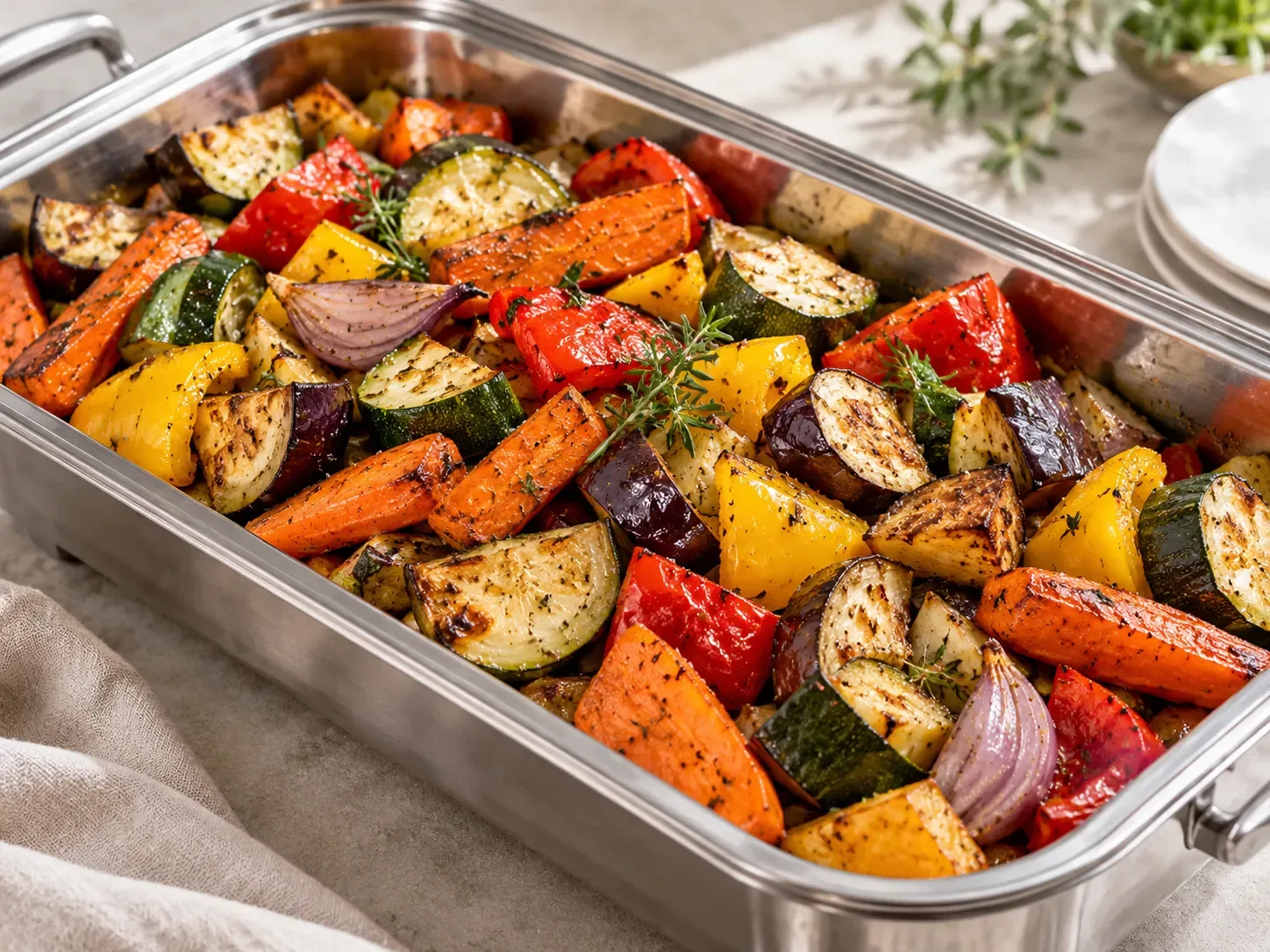
roasted vegetables Saudi Arabia is a practical buying decision for Saudi hotel buffet buyers, caterers and restaurant purchasing departments. The proposed application is roasted peppers and mixed vegetables as hot buffet sides and sandwich toppings. A buyer needs a repeatable way to test canned roasted vegetables, not a generic promise of quality. The product category in a Neom Gardens catalogue does not guarantee any particular recipe, pack, certification, price or production capacity. Ask for a current item-specific specification and a sample that can be traced to the offer. This guide distinguishes observed market examples from hypotheses about demand; it does not claim search volumes or sales forecasts.
Define the intended dish and operating conditions before comparing products. Speak to the people who will open, prepare and serve the item, not only the purchasing department. Set a target portion, expected service volume, acceptable handling time and the conditions after opening. For this use case, roasted peppers and mixed vegetables as hot buffet sides and sandwich toppings should be tested with the same recipe and equipment across samples. Record non-negotiable requirements separately from preferences. A limited kitchen trial may reveal an operational problem, but it cannot establish the size of a national market or predict a new brand's performance.
Write a technical brief covering vegetable mix, roast flavour, cut size, brine or oil content, drained weight, ingredients and Arabic instructions. Add the exact legal name, ingredient order, net quantity, lot code, applicable allergen information and supported origin statement. Request the latest dated specification and compare it with the actual sample label. If the recipe, processing method or packaging changes, the previous approval may no longer apply. Ask the supplier which figures are measured and which are only targets. Never assume that a photograph proves a quality grade, nutritional claim or compliance status. Keep a version number for every document.
A useful trial follows a written protocol. Drain matched samples for the same time, heat equal weights, then record firmness, broken pieces and appearance after a fixed hot-service period. Use the same equipment, weighing scale, operator instructions, timing and serving conditions. When possible, code the samples so assessors do not see the brands. Record appearance, texture, flavour, breakage, ease of handling and the final portion delivered. Repeat a disputed result before selecting a winner. A sensory or handling trial is not a microbiological challenge test and does not prove shelf life. The supplier remains responsible for relevant manufacturing evidence and the buyer for appropriate due diligence.
Measure what is actually usable rather than trusting the largest number on the label. For canned roasted vegetables, the important distinction is usable vegetable mass and portion count after draining and heating, not the total container contents. Weigh the starting unit, record liquid or residue that is not served and calculate the portion count from a consistent serving size. Note additional labour, preparation time and cleaning requirements. A larger pack can reduce packaging per serving yet increase waste if it remains open too long. Any financial comparison must use written quotations, consistent freight assumptions and the same order quantity, not invented market prices.
Packaging deserves a separate acceptance test. Consider catering-sized versus smaller units, safe can handling, leftover storage and readable date codes. Confirm that every suggested format is actually available and compatible with the relevant product and processing method. Have a staff member open it, measure a portion, reseal or transfer leftovers as instructed, and inspect the package for damage. Check storage and handling instructions rather than assuming that all sealed foods are ambient-stable. Verify the carton count, dimensions and traceability marks if they affect receiving operations. Attractive artwork cannot compensate for poor protection or unusable opening design.
Food regulation must be reviewed for the precise market and SKU. SFDA registration guidance distinguishes retail food from some catering-only pathways; the actual intended use and Arabic label must be checked. Check the responsible food business, importer or distributor obligations where relevant. Ingredient statements, nutrition details, allergen declarations and storage instructions must reflect the approved formula. Claims about organic status, health effects, origin, free-from properties or certifications require product-specific proof. A competitor's label is not legal authorization for a new brand. Seek a qualified local review before printing packaging or placing a commercial order, and repeat that review when the formulation changes.
A real competitor helps define the category without proving demand. Al Alali is a Saudi-founded regional pantry food brand, an adjacent local category reference. The content opportunity is a buffet-holding and usable-yield trial for roasted vegetable packs. Compare actual product information and samples rather than guessing at a competitor's production capabilities or market share. Product pages can reveal pack concepts and intended use, but they cannot replace a verified technical specification. A responsible article should make its evidence traceable and avoid asserting that an established supplier lacks a service unless that fact has been established independently.
For a stocked product, establish a repeat-order control sheet before the first large purchase. Assign an owner to each test and document which sample and specification version were accepted. Ask how the supplier communicates changes to ingredients, process, origin or pack. Keep rejected samples and the reasons for rejection in the record. Do not approve artwork while essential ingredient or handling questions remain open. Any claimed lead time, minimum order, certificate or price should be confirmed in writing for the exact requested programme.
Send a concise supplier enquiry identifying the product, destination, channel, application, desired pack and acceptance criteria. Request a traceable sample, a current ingredient and packaging specification, safe-handling directions and a written offer. List unresolved questions openly. Separate sensory results from compliance review and commercial negotiation so a strong taste score cannot conceal a missing safety document. The decision is ready only when the sample, specifications, pack and label refer to the same version. This process makes roasted vegetables Saudi Arabia a verifiable procurement choice rather than a slogan.