
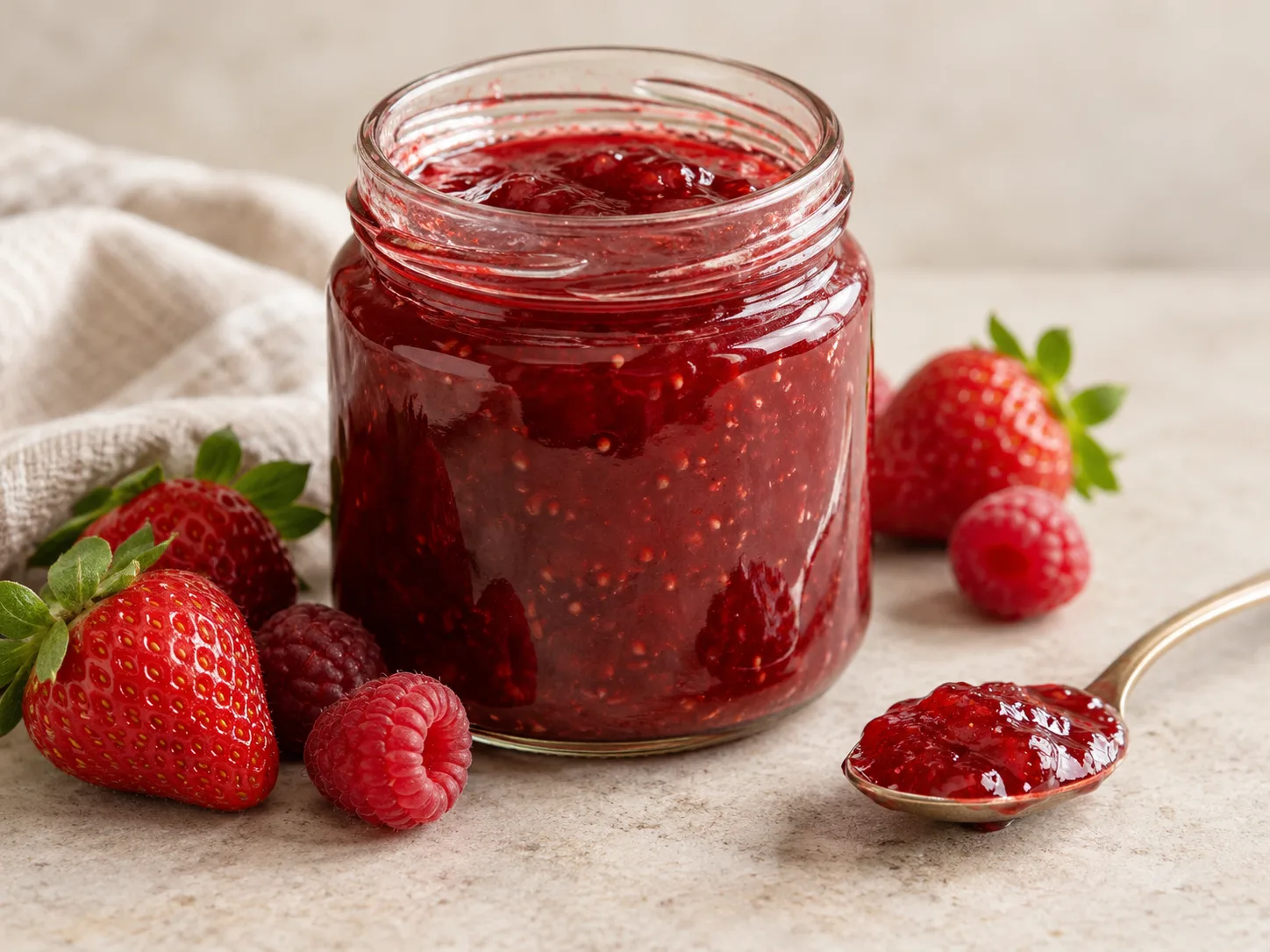
private label fruit jam USA is a useful purchase question for food buyers who want more than generic catalog descriptions. This guide concentrates on fruit jam, intended for breakfast spreads and bakery filling. The goal is to distinguish the product attributes that can be verified from impressions formed by packaging and advertising. A category appearing in a Neom Gardens catalog does not establish that a particular formulation, packaging format or private-label service is available. Those possibilities must be confirmed directly with the company before a quotation, listing or public promise is treated as reliable.
Start by describing the target buyer and the meal being prepared. Write down how the intended customer uses fruit jam, how many servings are needed and whether the product belongs in a retail pantry or professional kitchen. Map three realistic preparation occasions and the expected storage requirements. A short discussion with kitchen staff or shoppers can identify confusing instructions but cannot establish national demand. Avoid assigning market sizes or sales volumes without independent supporting data. An initial trial of a few carefully selected variants is easier to evaluate than a large assortment built on guesswork.
Create a product specification table before looking at prices. Include the exact name, declared ingredients, net amount, type of pack, supplier batch reference, storage advice and any origin or quality claims. For this category, special comparison points include fruit pieces, sweetness, spreadability and baking behavior. Request current specifications and documentation tied to the representative sample. Products may look similar on shelves while behaving very differently in a recipe. Do not infer concentration, ingredients, manufacturing method or safety merely from color or an appealing photograph. Unanswered questions belong in a dated supplier request.
Run a controlled kitchen trial that reflects the intended cooking task. Prepare comparable portions under the same equipment, handling and serving conditions. Observe fruit pieces, sweetness, spreadability and baking behavior and note whether the product works consistently in breakfast spreads and bakery filling. Have the intended user and the purchasing manager record separate observations rather than just declaring one sample their favorite. Repeat tests when preparation conditions differ. Keep samples identified by batch. Sensory impressions cannot certify product safety, shelf life or legal compliance, so those points must be checked through independent technical evidence.
Turn the test into a practical yield calculation. Measure what enters a dish, what remains in the container and, where relevant, the liquid or material discarded before serving. Compare the number of usable portions, not only the nominal net weight. Use actual written price quotations before describing any cost advantage. A large package may fit a high-throughput kitchen but be wasteful for occasional home use. A small unit may support trial purchases while creating more packaging per serving. The appropriate balance depends on actual usage and documented storage instructions.
Inspect the container as a functional tool. Opening, resealing, leakage, breakage, package dimensions, carton strength and readable label space all matter. Ask staff to dispense the product repeatedly and observe whether portions stay consistent. Check instructions after opening, including any temperature conditions. Where more than one packaging material is contemplated, confirm technical compatibility and actual supplier availability before including it in promotional materials. For a private-label item, attractive artwork and proven food-pack suitability are separate questions that both need approval. Preserve the packaging specification used in each sample test.
In the United States, the FDA provides food importer guidance. Foreign supplier verification and, for some commercially preserved foods, process filing requirements can apply depending on the product and processing method. The responsible company must determine the actual rules, rather than assuming all canned or imported foods are treated identically. For every candidate, verify the accurate product description, actual ingredients, quantity, applicable allergens and identity of the responsible business. Statements about health benefits, origin, certifications or the absence of additives need reliable substantiation. Specific laws can depend on the processing method, recipe and transaction. A competitor's label is not legal clearance for a different product. The responsible importer or knowledgeable compliance specialist should review the actual final artwork and ensure that a recipe revision triggers another label check.
Krinos Foods is a verified participant in the relevant national food market. The public evidence shows: Krinos lists jams and preserves. This is a useful category reference, not proof of market share, pricing, full product selection or particular manufacturing capabilities. The specific editorial opportunity is that Retailer artwork and jam formula require independent technical approval.. A credible article can show the reader what to measure, which supplier documents to request and what to verify before ordering. Do not suggest that a competing company lacks all similar guidance or that Neom Gardens automatically offers a product format because another company does.
For a retailer-owned label, the supplier inquiry must separate recipe development from brand artwork and commercial terms. Ask who approves ingredients, recipe changes, label proofs, minimum volumes, production sampling, lot traceability and any compliance statements. Seek written descriptions of complaint handling and how changes will be notified. Treat price, certification, minimum quantities and lead times as questions until confirmed. Keep all responses under a dated version number so an earlier promise cannot be confused with a final contract.
Before committing, verify that the sample batch, ingredient statement, storage guidance and proposed label describe the same item. Record who tested the recipe, which criteria were met and what still needs resolution. Where staff will prepare or serve the food, communicate the handling and portion instructions derived from the actual approved pack. If a supplier changes the pack, ingredients or production method, return to the affected checks rather than relying on the original taste trial. This record supports consistent reorders and more transparent reviews of complaints or packaging defects.