
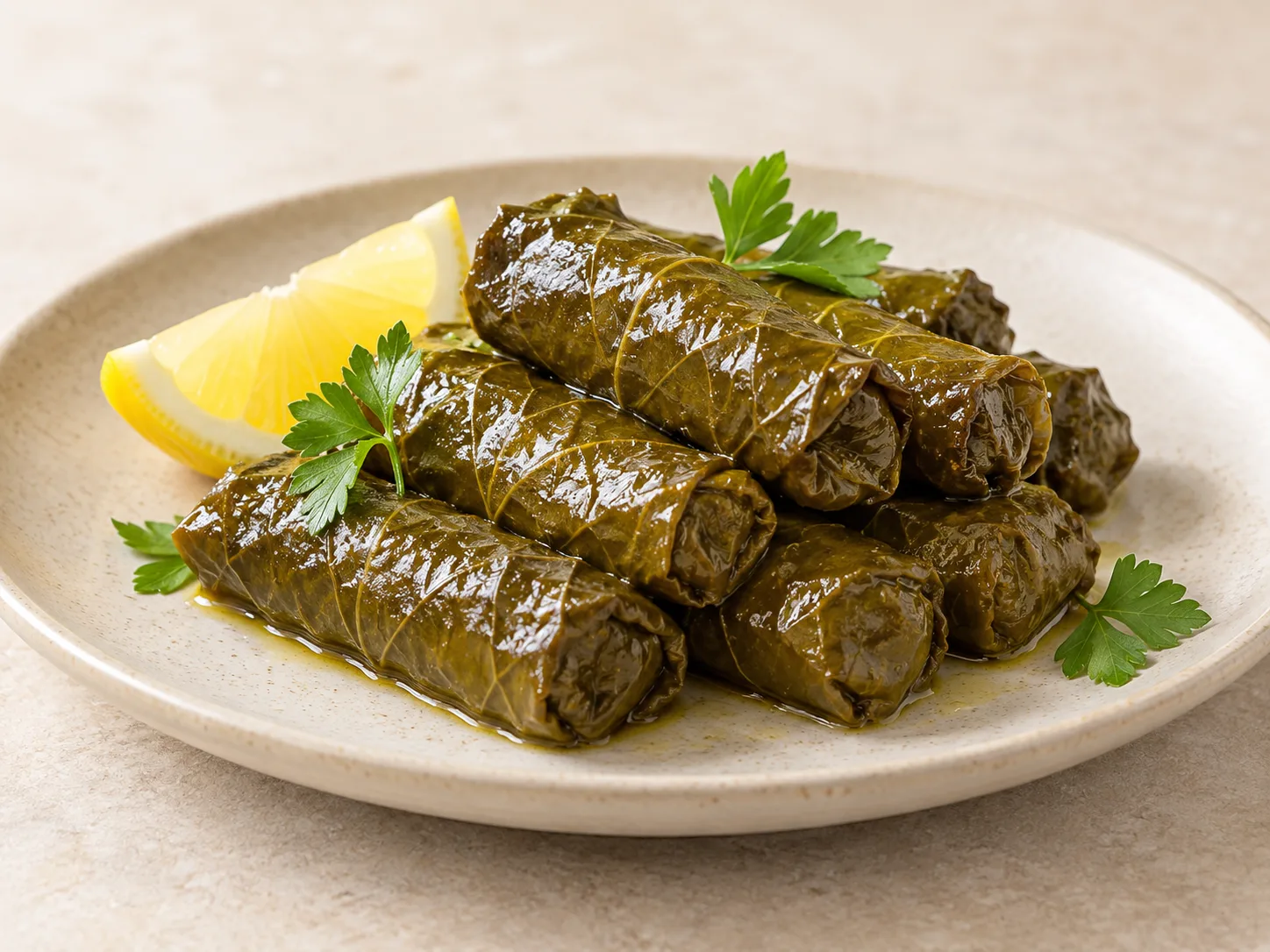
Stuffed Vine Leaves UK is a commercial research topic for UK ethnic-food distributors, delis and grocery buyers. The relevant Neom Gardens catalogue area is ready-to-eat stuffed vine leaves, but a category name alone cannot establish an individual SKU, specification or private-label service. A buyer's real task is to judge whether a convenient mezze item for antipasti platters and small prepared-food occasions. That requires product comparisons, sample testing, clear documentation and country-specific label review. Rather than making broad claims about popularity or search demand, this guide shows the questions to resolve before committing to a range. Each proposed step can be adapted to a small pilot or a larger purchasing process.
Start with a concrete buying scenario: a deli wants six portions for a lunch counter but a family shopper wants a convenient starter that stores unopened. These two uses may call for different units, merchandising and instructions even if the product name is the same. Describe the intended customer, where the item will be used, and how much of it a normal session requires. Then write a one-sentence job for the product: what problem does it solve for that customer? Ask two or three likely purchasers to describe their expectations without seeing the marketing copy. Their answers often expose missing information about preparation, portioning or taste that a catalogue listing cannot settle.
Build the product comparison around meaningful distinctions, especially rice-filled ready-to-eat dolmades versus unfilled vine leaves intended for cooking, with different seasoning and oil profiles. Put the options in a simple decision matrix with columns for intended use, ingredient or grade description, net content, storage directions, pack material and the document that supports each claim. If a proposed variant cannot be described clearly, do not let attractive photography hide the uncertainty. Record whether a difference is sensory, operational, regulatory or merely aesthetic. This approach helps buyers avoid paying for an unnecessary feature or selecting a format that does not fit the planned distribution channel.
Sample testing should be designed before the samples arrive. For this category, serve samples at the recommended temperature and compare leaf tenderness, rice texture, herb balance and portion consistency. Use the same preparation, serving size and observation sheet for every option. Invite a cook, a purchaser and someone unfamiliar with the product to comment separately where possible. Ask them to describe what they noticed rather than whether they 'liked' it. Capture any disagreement and repeat the comparison under consistent conditions. Sensory preferences alone do not prove shelf life or manufacturing quality, so request technical documentation and appropriate test evidence for any safety or durability questions.
Pack design is an operational decision, not only a branding exercise. The practical choice may involve small consumer cans or jars versus foodservice packs with greater yield per opening. Check how a unit is opened, whether the contents are easy to portion, and what storage instructions apply after opening. Estimate waste by measuring how much product is actually used during a normal service or household occasion. Assess case dimensions and breakage exposure before committing to a shelf plan. A smaller unit can make a trial easier, while a larger one may fit repeat professional use; neither should be chosen on nominal volume alone.
Review the destination-market label before approving artwork. A ready-to-eat filled product needs accurate ingredients, any applicable allergen declarations, storage information and a name that does not confuse it with raw vine leaves. The responsible importer or brand owner should verify the exact current rules for the actual formulation, claims, allergens, language and sales channel. Source guidance is useful for framing questions, but a product-specific compliance review remains necessary. Confirm the identity and address details that must appear, relevant date or lot markings, and any special declarations. Do not copy another brand's label, and do not infer a certification, nutrition benefit or origin statement from the general product category.
A realistic competitive benchmark is Cypressa. Cypressa's UK antipasti range specifically describes rice-and-herb dolmades, demonstrating the category's ready-to-eat positioning. That observation establishes a market reference, not a verified estimate of sales, share or consumer demand. Review how the competing offer describes its use cases, pack size and ingredients, then ask what the reader still needs to make a purchasing decision. An actionable editorial opportunity is plain-language front-of-shelf guidance that distinguishes ready-to-eat stuffed leaves from leaves used as a cooking ingredient. This helps buyers compare products fairly while avoiding invented search volumes or claims that a competitor has no comparable information elsewhere on its site.
If the project involves private label, prepare a supplier brief separately from the retail product story. Ask specifically about filling composition, leaf-to-filling ratio, drained weight if relevant, oil type, storage after opening and serving instructions. Also request a documented workflow for artwork approval, batch traceability, complaints and changes to formulation or packaging. The ability of one market participant to provide co-packing does not prove that another can do the same. Neom Gardens may be contacted to confirm which of its listed categories and services match the brief; no minimum quantity, certification, capacity, price or delivery promise should be assumed without a direct response.
The final purchasing sequence is straightforward: define the use case, compare product variants, request specifications, run a repeatable sample trial, verify labels and then negotiate commercial terms. Reassess when the destination country, pack, recipe or sales channel changes. For ready-to-eat stuffed vine leaves, a clear, evidence-led buyer guide can create more lasting value than a generic promotional description. The best outcome is a shortlist whose strengths, uncertainties and next actions are visible to everyone involved, with every commercial or compliance claim backed by the appropriate source.