
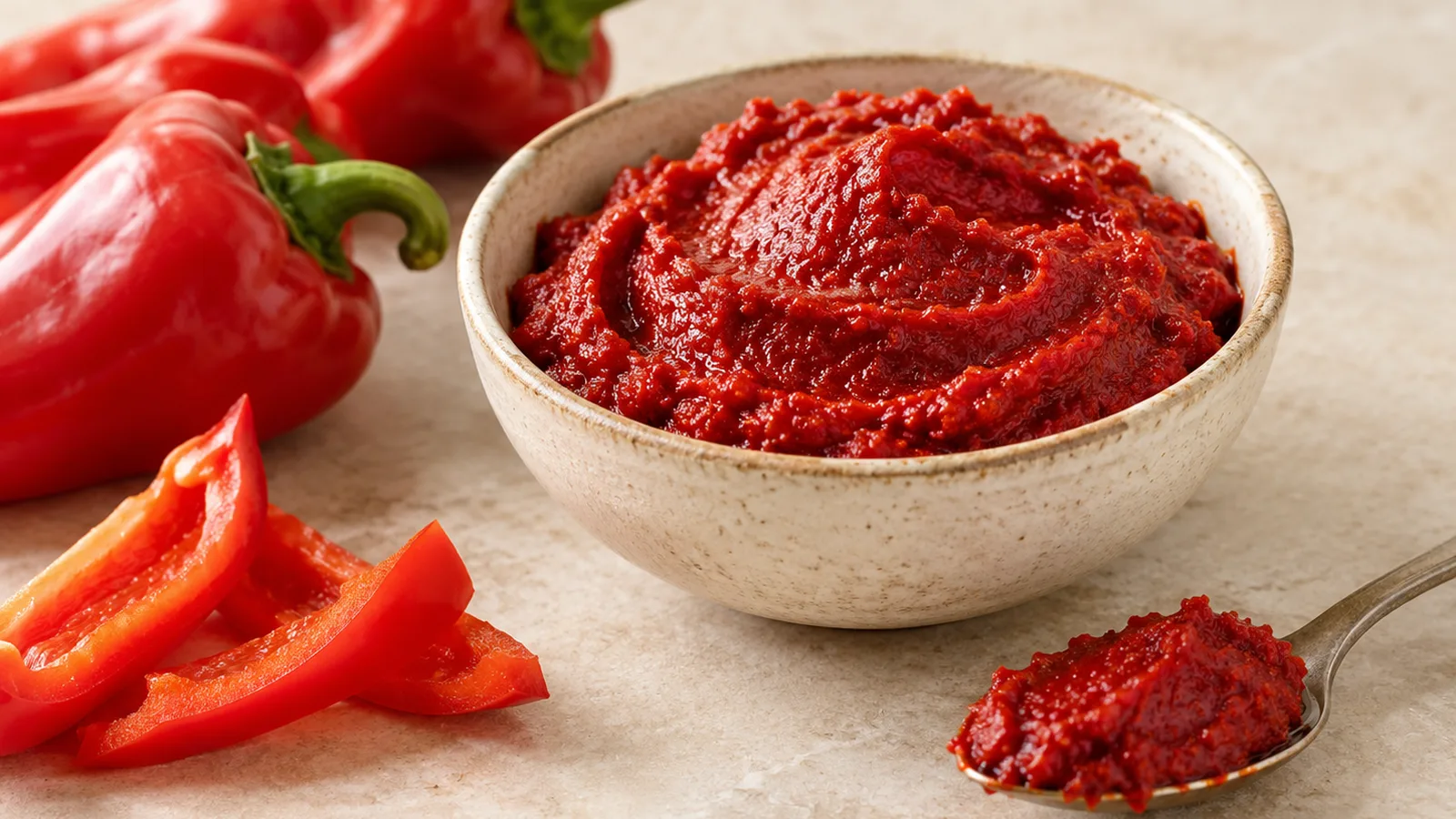
tomato pepper paste supplier Turkey is best assessed with documented specifications, representative samples and country-specific compliance checks. The most useful starting point for Turkish wholesale food buyers is a real procurement problem, not a broad claim that Mediterranean foods are popular. The working range here is tomato paste and pepper paste. Buyers need to decide what a shopper or cook will do with each item, how often it is used, which package works for that use, and which details should be checked before ordering. An effective evaluation separates clearly documented characteristics from promotional impressions. This guide offers a repeatable way to ask better questions and avoid treating unverified supplier claims as facts.
First describe the intended shopper, kitchen or retail environment. Will the products be displayed together, sold as standalone pantry staples, or used inside meals? Identify three clear recipes or serving occasions for tomato paste and pepper paste. A buyer should distinguish routine use from an occasional specialty purchase, since the two can require different package sizes and shelf messages. Use customer conversations and small-scale trials to identify whether your planned assortment is understandable. Do not presume that visitors to a website represent a reliable demand forecast for a particular product.
Build a comparison sheet before collecting quotations. Columns can cover declared ingredients, named product variety, pack type, net quantity, handling method, intended use and the supporting specification available. Compare similar units with similar units rather than deciding only from a product photograph. For preserved products, useful factors may include liquid content, texture and pack integrity; for pastes and spreads, consistency and preparation requirements may matter more. Write down any unanswered questions and send them to the relevant supplier. Claims about manufacturing capability, certifications or bespoke formulations require direct documentation.
Next conduct a controlled sample evaluation. Use the same recipe, preparation time and approximate serving conditions for each suitable candidate. Record texture, acidity or sweetness where relevant, aroma, ease of dispensing, amount left in the pack and user comprehension of instructions. Ask the intended kitchen staff or purchasing team to score specific questions separately instead of offering only an overall preference. A sample should be evaluated for real work, not merely for an attractive tasting note. If results conflict, repeat the trial and record why the conditions differed.
Packaging affects both buyer experience and operating cost. Consider whether opening, storing and portioning a unit fits the expected rate of use. Retail packages need clear, readable presentation and useful consumer instructions. A foodservice buyer may place greater weight on predictable dispensing and low waste, but larger packages do not always offer an advantage if they will remain open too long. Check case configurations, packaging material, resealing requirements, and suitable storage directions. Ask for current packaging specifications instead of extrapolating from another manufacturer's catalogue.
Labels deserve a dedicated review before any final order. In the destination market, confirm the applicable rules for product names, ingredient lists, allergens, net quantities, responsible business details and additional mandatory particulars. Regulatory requirements depend on the product and transaction, so the referenced authority guidance is a starting resource rather than individual legal clearance. Treat any translation and nutrition or origin statement as something to verify against the exact formulation and market rules. A private label artwork proof should be reviewed by the responsible importer or qualified compliance professional before printing.
A better assortment has distinct jobs for different items. Consider one reliable everyday ingredient, one line that supports a recognizable dish, and one format appropriate to a specialist customer. That framework is more useful than simply maximizing the number of available items. For tomato paste and pepper paste, think about recipe combinations that explain why two products might be purchased together. Buyers can test whether a short shelf guide, recipe card or clear product naming improves understanding without asserting sales lift that has not been measured.
Local competitive analysis helps establish category context, not a script to copy. Tukaş is an example of a real company operating in the relevant food market, and its publicly available website gives a starting point for reviewing category positioning. Do not infer its complete selection, pricing or service capabilities from a quick overview. An editorial opportunity is to publish a transparent comparison process that readers can apply to any supplier: intended use, relevant documentation, sample testing, labeling and operational suitability. This is a proposed reader benefit, not an unsupported assertion that the competitor has no such guidance.
When approaching suppliers, submit a concise request for information. State the country, planned channel, product category, anticipated use, pack preferences and specific labeling needs. Request current item specifications and ask whether samples and alternate formats are available. If private labeling is part of the project, separately ask about order minimums, artwork ownership, responsibilities for packaging statements, and lead-time conditions. Never assume a company offers customized manufacturing unless it confirms that service. Keep supplier answers in writing and date each version of the product specification.
The final decision should be traceable: define the use case, shortlist comparable items, collect verified technical details, complete sample trials, review country-specific labels and then assess commercial terms. Revisit the choice if the product, destination or packaging changes. Neom Gardens lists tomato paste and pepper paste among its relevant food categories or adjacent categories, but each exact item and any private label service must be confirmed with its team. Clear buyer guidance creates lasting value because it helps readers distinguish evidence, preferences and open questions before purchasing.